
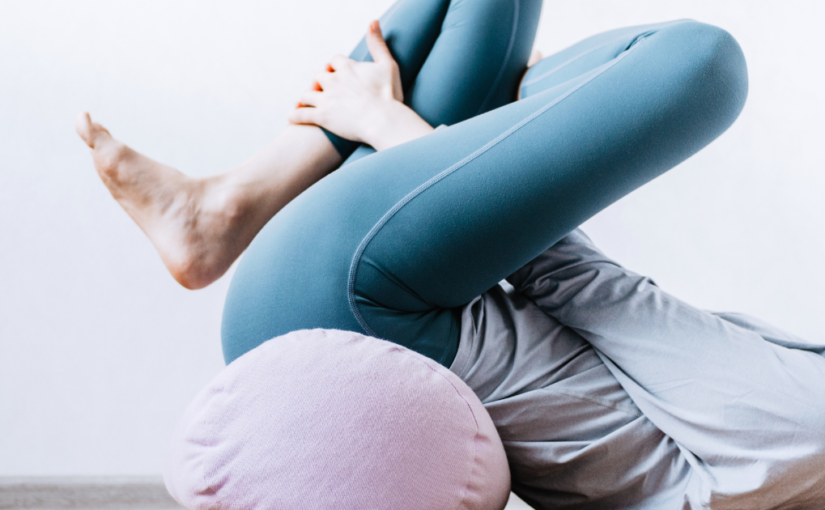
One-sided hip pain is more common than most people realize, and it is often linked to tight muscles, irritated nerves, or dysfunction in the lower back and sacroiliac (SI) joint. Many people notice the discomfort when sitting too long, standing up after rest, walking, or even sleeping on one side.
The good news is that targeted stretching can often help reduce tension, improve mobility, and support better alignment in the hips and lower back. While stretching alone is not always a complete solution, it is one of the most effective at-home tools for managing mild to moderate hip discomfort.
If you are dealing with one-sided hip pain, especially if it comes and goes or worsens with activity, these stretches can help improve flexibility and reduce muscle tightness around the SI joint, glutes, and lower back.
Why One-Sided Hip Pain Happens
Before jumping into stretches, it helps to understand what may be contributing to the discomfort. One-sided hip pain is often caused by a combination of muscle imbalance, joint irritation, and movement patterns that place uneven stress on one side of the body.
Common causes include:
- Tight glute and hip muscles, especially the piriformis
- SI joint dysfunction or inflammation
- Sciatica or nerve irritation from the lower back
- Poor posture from sitting or standing unevenly
- Muscle imbalances from exercise or daily habits
- Previous injuries that altered movement patterns
Because the hips and lower back are closely connected, pain in one area often influences the other. That is why stretching the surrounding muscles can make a noticeable difference in comfort and mobility.
How Stretching Helps Relieve Hip Pain
Stretching works by improving flexibility in tight muscles, reducing pressure on joints, and supporting better movement patterns. When muscles around the hip and lower back become tight, they can pull on the SI joint and surrounding structures, leading to discomfort on one side.
Regular stretching can help:
- Reduce muscle tension in the hips and glutes
- Improve blood flow and circulation
- Support better pelvic and spinal alignment
- Decrease stiffness after long periods of sitting
- Improve overall mobility and range of motion
Consistency matters more than intensity. Gentle, repeated stretching is often more effective than aggressive stretching that may irritate already sensitive tissues.
1. Piriformis Stretch for Deep Hip Relief
The piriformis muscle sits deep in the glutes and can often contribute to hip pain and sciatic irritation when tight.
How to do it:
- Sit on the floor with one leg extended straight in front of you
- Cross the other leg over, placing your foot outside the opposite knee
- Keep your back straight and slowly lean forward from your hips
- You should feel a stretch deep in the buttock of the crossed leg
- Hold for 15 to 30 seconds, then switch sides
Why it helps:
This stretch targets the piriformis muscle, which can compress or irritate the sciatic nerve when tight. Loosening this area often helps reduce one-sided hip discomfort and radiating pain into the leg.
2. Child’s Pose for Lower Back and Hip Release
Child’s pose is a gentle stretch that helps release tension in the lower back, hips, and pelvis.
How to do it:
- Start on your hands and knees
- Sit your hips back toward your heels
- Extend your arms forward and lower your chest toward the floor
- Rest your forehead on the ground if comfortable
- Hold for 15 to 30 seconds while breathing slowly and deeply
Why it helps:
This position gently decompresses the lower back while opening the hips. It is especially helpful for stiffness caused by sitting or prolonged standing.
3. Cat-Cow Stretch for Spinal and Hip Mobility
The cat-cow stretch helps improve movement through the spine and pelvis, which can reduce stress on the hips.
How to do it:
- Begin on your hands and knees in a tabletop position
- Inhale, arch your back, lift your chest and tailbone upward (cow position)
- Exhale, round your back, tuck your chin, and draw your belly in (cat position)
- Move slowly between positions for 8 to 10 cycles
Why it helps:
This movement improves spinal mobility and encourages proper coordination between the lower back and hips. It can also help reduce stiffness that contributes to uneven hip pain.
4. Hip Flexor Stretch for Front Hip Tightness
Tight hip flexors are a major contributor to hip imbalance, especially for people who sit frequently.
How to do it:
- Step one foot forward into a lunge position
- Lower your back knee to the ground
- Keep your torso upright and gently shift your weight forward
- You should feel a stretch in the front of the hip on the kneeling leg
- Hold for 15 to 30 seconds, then switch sides
Why it helps:
Tight hip flexors can pull the pelvis forward, creating imbalance and strain on one side of the hip. Stretching this area helps restore better alignment and reduces uneven pressure.
When Stretching Is Not Enough
While stretching can be highly effective, it is not always enough to resolve persistent one-sided hip pain. If the pain keeps returning, becomes sharp, or begins radiating down the leg, there may be an underlying issue such as SI joint dysfunction, disc irritation, or nerve involvement.
Signs you may need a professional evaluation include:
- Pain that lasts more than a few days
- Tingling, numbness, or burning sensations
- Pain that worsens with sitting or standing
- Reduced mobility or stiffness that keeps returning
- Pain that travels into the buttock or leg
In these cases, a more detailed assessment may be needed to identify the root cause.
Supporting Hip Pain Relief with Chiropractic Care
At Active Life Chiropractic, we focus on identifying the underlying cause of hip pain rather than just treating symptoms. Hip discomfort is often connected to the spine, pelvis, and nervous system, which is why a full-body approach is important.
Chiropractic care may help by:
- Improving pelvic and spinal alignment
- Reducing pressure on irritated nerves
- Restoring proper movement in the SI joint
- Supporting muscle balance and mobility
- Helping prevent recurring pain episodes
When combined with stretching and movement correction, chiropractic care can be an effective way to support long-term hip health and function.
Preventing One-Sided Hip Pain in Daily Life
In addition to stretching, small daily habits can make a big difference in preventing hip discomfort from returning.
Helpful habits include:
- Avoid sitting for long uninterrupted periods
- Keep both feet flat when sitting
- Use proper posture while standing and walking
- Alternate sleeping positions if one side is consistently painful
- Incorporate regular movement breaks throughout the day
- Stay consistent with light stretching routines
Consistency is key when it comes to managing hip pain and improving mobility over time.
Move Better, Feel Better
One-sided hip pain does not have to become a long-term issue. With the right combination of stretching, movement awareness, and professional care when needed, most people can significantly improve their comfort and mobility.
If your hip pain is persistent, recurring, or interfering with daily life, Active Life Chiropractic can help identify the root cause and create a personalized plan to support lasting relief.
Schedule an appointment with Active Life Chiropractic today and take the next step toward moving better and feeling better.
Frequently Asked Questions
What causes one-sided hip pain?
One-sided hip pain is often caused by tight muscles, SI joint dysfunction, nerve irritation such as sciatica, posture imbalances, or repetitive movement patterns that place uneven stress on one side of the body.
Can stretching alone fix hip pain?
Stretching can help reduce mild tightness and discomfort, but it may not fully resolve persistent or chronic hip pain. If the pain is ongoing, it is important to identify and address the underlying cause.
When should I see a chiropractor for hip pain?
You should consider seeing a chiropractor if hip pain lasts more than a few days, keeps returning, or includes symptoms like numbness, tingling, or pain that radiates into the leg.