
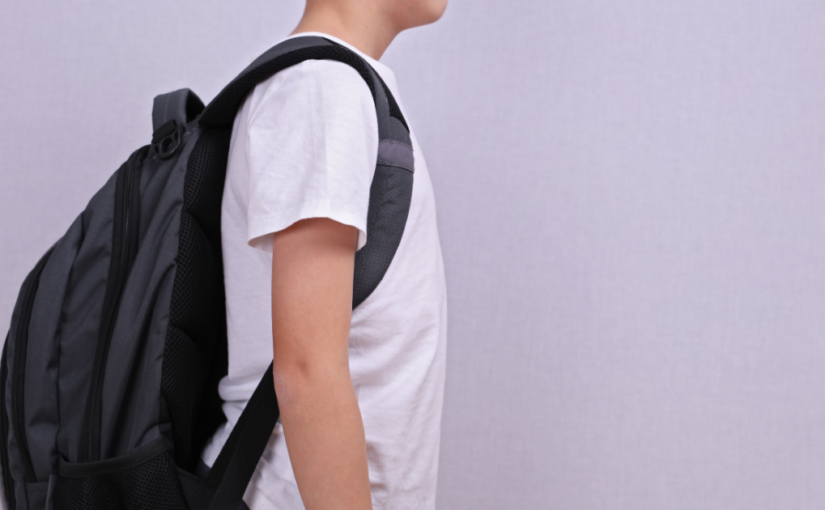
Between school, homework, video games, and time spent on tablets, kids spend a lot of time sitting and looking at screens. Over time, these habits may contribute to slouching, muscle tension, and poor posture.
Good posture helps children move comfortably and maintain balance during everyday activities. While occasional slouching is normal as kids grow, building healthy movement habits early can support their developing muscles and joints.
The good news? Improving your child’s posture doesn’t have to mean constant reminders to sit up straight. Small changes to their daily routine can make a difference.
1. Encourage Regular Physical Activity
Movement helps strengthen the muscles children use to sit, stand, and move comfortably. Activities such as swimming, dancing, biking, and playing sports encourage coordination, flexibility, and overall strength.
You don’t need a strict exercise routine to get started. Encourage your child to play outside, participate in activities they enjoy, and take movement breaks between homework or screen time.
The goal is to make movement a regular part of the day rather than treating it as another chore.
2. Create a Comfortable Homework Setup
A child’s desk and chair can affect how comfortably they sit during homework, reading, and computer use. A workspace that doesn’t fit their size may encourage them to lean forward, hunch their shoulders, or crane their neck.
Try these simple adjustments:
- Choose a chair that supports their back and allows their feet to rest on the floor or a footrest.
- Keep the desk at a height that lets their shoulders relax while writing or typing.
- Position the screen near eye level to reduce the need to look down.
- Keep frequently used supplies within easy reach.
Children grow quickly, so check their workspace periodically and adjust it as needed.
3. Make Good Posture a Daily Habit
Children may not realize when they’re slouching, especially when they’re focused on schoolwork or a favorite activity. Rather than correcting them constantly, help them understand what comfortable posture feels like.
When sitting, encourage them to keep their back supported, shoulders relaxed, and feet supported. When standing, their head should feel balanced over their shoulders rather than pushed forward.
Remember that good posture doesn’t mean holding the body rigidly in one position. Changing positions regularly is just as important as sitting or standing comfortably.
Use gentle reminders and positive reinforcement to help these habits develop without making your child feel self-conscious about their body.
4. Take Breaks From Screens
Phones, tablets, and computers can encourage children to bend their heads forward or round their shoulders, especially when devices are held low.
To encourage healthier screen habits:
- Raise devices closer to eye level when practical.
- Encourage children to change positions frequently.
- Build short movement breaks into homework and gaming sessions.
- Make time for activities that don’t involve screens.
The goal isn’t necessarily to eliminate screen time. It’s to balance it with movement and help children avoid staying in the same position for extended periods.
5. Make Sure Their Backpack Fits Properly
A heavy or poorly fitted backpack can make carrying school supplies uncomfortable and encourage children to lean forward.
Help your child carry their backpack more comfortably by choosing one with two wide, padded shoulder straps. Encourage them to wear both straps rather than carrying the bag on one shoulder.
Keep the backpack as light as practical by removing unnecessary books and supplies. Heavier items should sit close to the back, and the bag should fit securely without hanging too low.
If your child regularly complains of back, neck, or shoulder pain while carrying a backpack, consider checking the fit and weight. Persistent discomfort deserves further evaluation.
6. Support Comfortable Sleep
Sleep gives children time to rest and recover, and a comfortable sleeping setup can help them wake up feeling refreshed.
Choose a pillow that supports your child’s head and neck without pushing the head too far forward or backward. Their mattress and sleeping position should allow them to rest comfortably.
There isn’t one sleeping position that’s best for every child. Rather than forcing them to sleep on their back or side, focus on comfort and appropriate support.
If your child regularly wakes up with neck or back pain, pay attention to the pattern and discuss persistent symptoms with a healthcare professional.
7. Pay Attention to Persistent Posture Concerns
Occasional slouching is common, but ongoing concerns deserve attention, especially if your child experiences pain or has difficulty moving comfortably.
Consider seeking professional guidance if you notice persistent back or neck discomfort, an increasingly uneven shoulder position, or difficulty maintaining comfortable movement. A healthcare professional can assess your child’s posture, movement, and overall health to determine whether further evaluation is needed.
Chiropractic care may be an option for some children, depending on their individual needs and clinical assessment. A qualified provider should explain the proposed approach, potential benefits and risks, and any appropriate alternatives. Chiropractic treatment should not be assumed to correct every posture concern or prevent future problems.
Help Your Child Build Healthy Habits
Improving your child’s posture starts with everyday habits, not perfect positioning. Regular movement, a comfortable study space, sensible screen breaks, and a properly fitted backpack can all help support comfortable movement as your child grows.
If you’re concerned about your child’s posture or recurring discomfort, professional guidance can help you understand what’s contributing to the issue and which next steps may be appropriate.
Active Life Chiropractic offers family-focused chiropractic care and guidance for parents exploring options for their children’s musculoskeletal health. Schedule an appointment online if you’d like to discuss your child’s needs.
Frequently Asked Questions
What causes poor posture in children?
Poor posture can be influenced by prolonged sitting, looking down at devices, an uncomfortable study setup, and habits developed during everyday activities. Growth and individual musculoskeletal differences can also affect posture. Persistent concerns or symptoms should be evaluated rather than automatically attributed to screen time.
How can I improve my child’s posture at home?
Encourage regular physical activity, adjust their desk and chair to fit their size, take screen breaks, and make sure their backpack fits properly. Gentle reminders and positive reinforcement can help children build healthy habits without making posture a constant source of correction.
Can a chiropractor help with my child’s posture?
A chiropractor can assess certain musculoskeletal concerns and discuss whether care may be appropriate for an individual child. Recommendations should be based on the child’s age, symptoms, health history, and examination. Parents should ask about the proposed treatment, its evidence, potential risks, and alternatives before proceeding.