
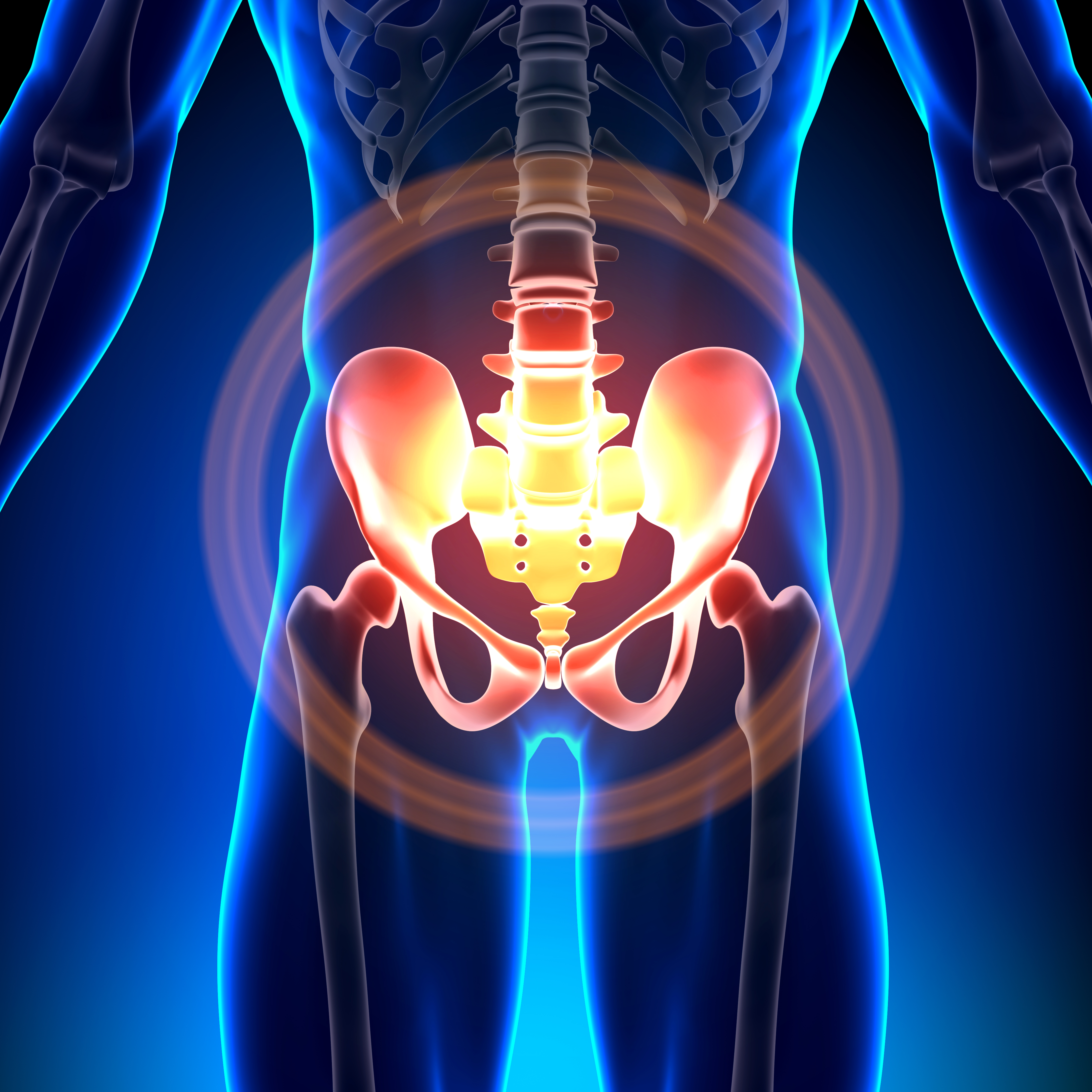
Not all back or leg pain is muscular. When a spinal disc becomes irritated, bulged, or herniated, it can compress nearby nerves and cause pain that travels into the hip, leg, arm, or shoulder.
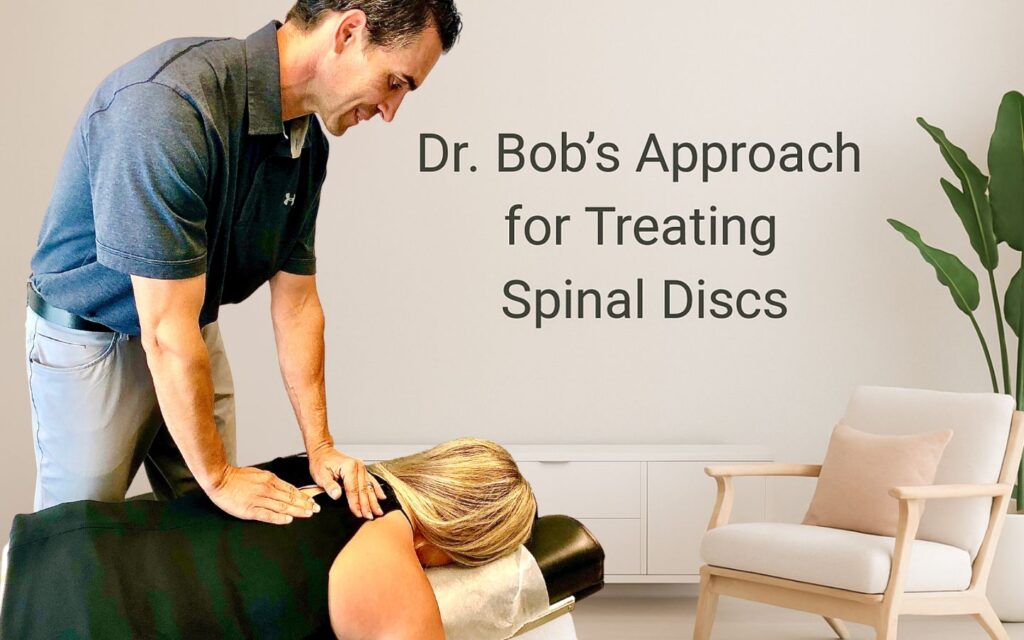
At Active Life Chiropractic in Ballantyne, Dr. Bob Mason helps Charlotte patients understand whether their symptoms are truly disc-related and guides them with conservative, evidence- informed care.
Early on, your body is in protection mode.
We focus on:
👉 Goal: centralize pain (get it out of the leg and back toward the spine)
Disc injuries don’t happen in isolation.
Usually there are:
We address this with:
👉 This redistributes load so one segment isn’t taking all the abuse.
Once pain improves, most people stop.
That’s why it comes back.
We build:
👉 The goal is a spine that can handle real life again.
You shouldn’t feel fragile forever.
We guide:
👉 The end goal isn’t “be careful forever”
It’s be capable again.
Because we rehab the disc itself, our focus does not rely on medications or supplements for pain relief. Our goal is to rehab your disc herniation and prevent both surgery and ongoing medication use.
Intervertebral discs are the cushions between the bones of your spine that help absorb shock and allow movement. When a disc becomes irritated, bulges, or herniates, it can create back pain, stiffness, or pain that radiates into the arms or legs.
Common signs of disc-related pain include sharp or aching back pain, numbness, tingling, weakness, or pain that travels into the shoulder, arm, hip, leg, or foot. Symptoms can vary depending on which disc is affected.
Many people seek conservative care for disc pain to reduce pressure, improve movement, ease muscle tension, and support healing. A personalized treatment plan may include chiropractic adjustments, manual therapy, and guided exercises based on your condition.
Yes. Many disc cases respond well to conservative chiropractic care.
No. Most improve without surgery when managed appropriately.
Yes. Care is adapted to avoid aggravating the disc.
Improvement often occurs over weeks, depending on severity.