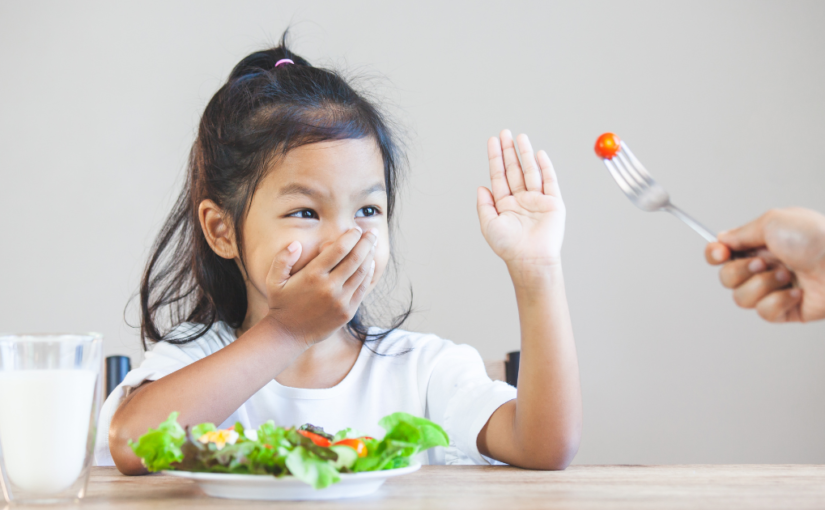
Constipation is common in children, especially during the toddler and preschool years. A child may be constipated if they have fewer bowel movements than usual, pass hard or painful stools, or avoid going to the bathroom because it hurts.
For parents looking for natural ways to help a child with constipation, simple changes to diet, fluids, movement, and bathroom habits may help support regular bowel movements. However, constipation can have many causes, and persistent or severe symptoms should be discussed with your child’s pediatrician.
Here are gentle strategies parents can consider when a child is experiencing occasional constipation.
Add More Fiber
Fiber helps add bulk to stool and can support regular bowel movements. Increase fiber gradually and make sure your child is drinking enough fluids along with it.
Good sources of fiber for children include:
- Apples and pears with the skin
- Berries
- Prunes and other dried fruit
- Figs
- Oatmeal
- Whole-grain breads and cereals
- Beans and lentils
- Vegetables
The amount of fiber a child needs depends on their age and diet. Rather than focusing only on a specific number, aim to offer a variety of fiber-rich foods throughout the day.
Encourage Plenty of Fluids
Not drinking enough fluids can contribute to harder stools. Encourage your child to drink water throughout the day, especially when increasing their fiber intake.
You can make water more appealing by offering it regularly with meals and snacks or adding fruit for flavor.
If your child has ongoing constipation, talk with their pediatrician about how much fluid is appropriate for their age and individual needs.
Offer Foods That May Help With Constipation
Certain foods are commonly included in a child’s diet to support regular bowel movements.
Prunes, pears, peaches, plums, berries, oatmeal, and other fiber-rich foods can be easy additions to meals and snacks. Prunes and prune juice are particularly well known for helping soften stool because they contain fiber and naturally occurring sorbitol.
Try adding fruit to oatmeal, yogurt, or smoothies for an easy fiber-rich snack.
Include Probiotic Foods
Probiotics are beneficial bacteria that support the gut microbiome. Foods containing probiotics, such as yogurt with live active cultures and kefir, can be part of a balanced diet.
The relationship between probiotics and childhood constipation is still being studied, so probiotics should not be considered a replacement for medical treatment when constipation is persistent.
If you are considering a probiotic supplement for your child, talk with their pediatrician first.
Encourage Daily Movement
Physical activity can support normal digestion and healthy bowel function. Encourage your child to move throughout the day with activities that are appropriate for their age.
For younger children, this might include:
- Walking
- Playing outside
- Riding a bike
- Dancing
- Active games
Regular movement can support overall digestive health and is a simple habit to incorporate into a child’s daily routine.
Establish a Regular Bathroom Routine
Children sometimes hold their stool because they are busy playing, uncomfortable using a public bathroom, or have experienced pain during a bowel movement.
Creating a consistent bathroom routine may help. Encourage your child to sit on the toilet for a few minutes after meals without pressure or punishment.
A child-sized toilet or footstool can also help them feel more comfortable and supported. When a child’s feet are supported, it can be easier to maintain a comfortable position while using the toilet.
Most importantly, keep bathroom time relaxed and positive.
Pay Attention to Your Child’s Diet
A balanced diet that includes fruits, vegetables, whole grains, and other fiber-rich foods can support healthy digestion.
If your child eats a lot of highly processed foods and very few fruits or vegetables, gradually introducing more whole foods may help improve their overall digestive health.
There is not one food that causes or cures constipation in every child. Pay attention to patterns in your child’s diet and bowel habits, and discuss concerns with their pediatrician.
Consider Whether Certain Foods Affect Your Child
Some children may notice changes in bowel habits after eating certain foods. Dairy is sometimes discussed in connection with constipation, but removing dairy from a child’s diet is not appropriate for every child and can make it harder to meet nutritional needs.
Rather than eliminating an entire food group on your own, talk with your child’s pediatrician if you suspect a food intolerance or dietary trigger.
Consider Pediatric Chiropractic Care
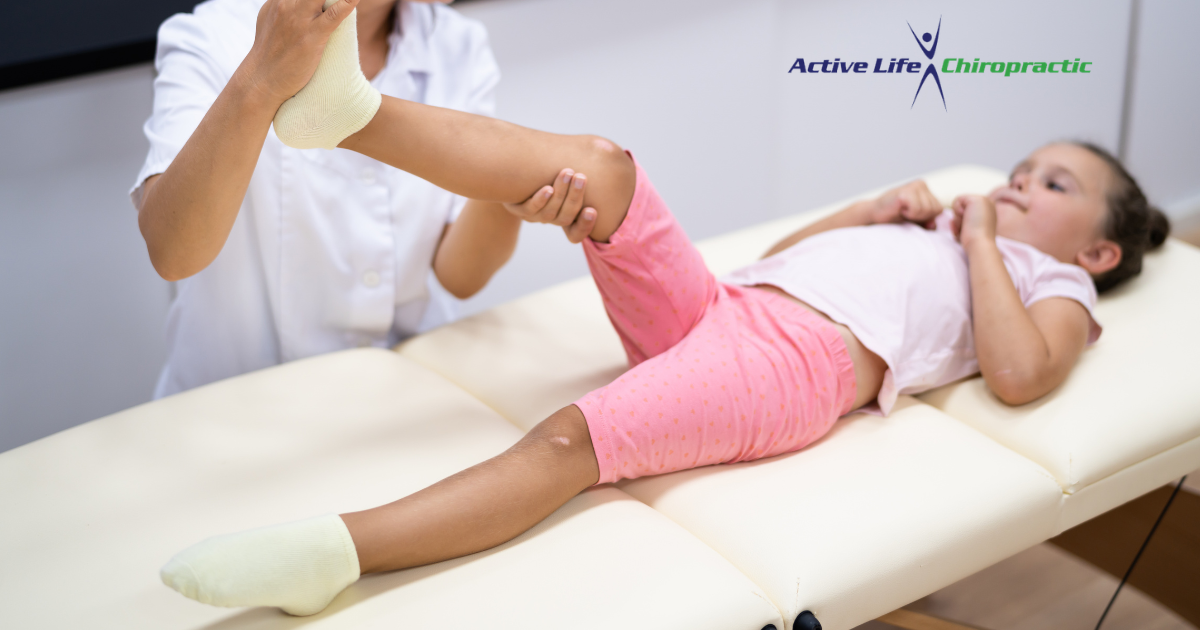
Parents sometimes ask whether chiropractic care can help with constipation in children. Chiropractic care may be used as a complementary approach to support a child’s overall musculoskeletal and nervous system health.
If you are considering pediatric chiropractic care, choose a provider who has specific training and experience working with children and discuss your child’s symptoms and medical history before treatment.
When Should You Call Your Child’s Pediatrician?
Occasional constipation is common, but ongoing constipation should not be ignored. Contact your child’s pediatrician if constipation continues, keeps coming back, or is interfering with daily activities.
Seek prompt medical attention if your child has symptoms such as:
- Severe or worsening abdominal pain
- Vomiting
- Significant abdominal swelling
- Blood in the stool
- Fever
- Poor appetite or unexplained weight loss
- Significant pain with bowel movements
- Symptoms that do not improve with basic dietary and lifestyle changes
Your child’s pediatrician can help determine what is causing the constipation and whether additional treatment is needed.
Supporting Your Child’s Digestive Health
Constipation can be frustrating for both children and parents, but small changes to diet, hydration, movement, and bathroom routines may help support healthy digestion. If your child continues to struggle with constipation, work with their pediatrician to determine the underlying cause and the best treatment approach.
If you are interested in learning more about pediatric chiropractic care in Charlotte, Active Life Chiropractic can help you understand whether chiropractic care may be appropriate as part of your child’s overall wellness plan.
Frequently Asked Questions
What is the fastest natural way to relieve constipation in a child?
Increasing fluids, offering fiber-rich foods, and encouraging regular movement may help with mild constipation. Foods such as pears and prunes can also be helpful. If your child is uncomfortable, has persistent constipation, or is experiencing significant pain, talk with their pediatrician rather than relying only on home remedies.
What foods help a constipated child poop?
Fiber-rich foods such as pears, prunes, berries, apples, oatmeal, beans, and vegetables can help support regular bowel movements. Prunes and prune juice may be especially helpful because they contain fiber and sorbitol.
Can chiropractic care help with constipation in children?
Some parents consider pediatric chiropractic care as a complementary approach to overall wellness, but there is not enough evidence to establish chiropractic adjustments as a treatment for childhood constipation. A pediatrician should evaluate persistent or severe constipation.