
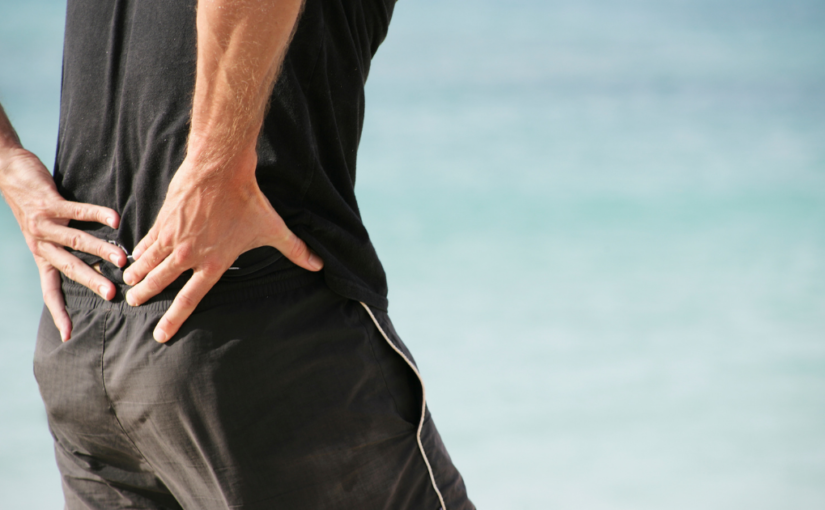
Pain across your belt line is a common type of lower back discomfort that many people experience. The belt line area refers to the lower portion of the back, known as the lumbar spine, which supports much of your body weight and plays an important role in everyday movements like walking, bending, lifting, and sitting.
Lower back pain in this area can have several causes, including muscle strain, nerve irritation, disc problems, and changes within the spine. While some discomfort may be temporary and improve with rest, recurring or persistent belt line pain may be a sign that an underlying issue needs to be addressed.
Understanding the common causes of pain across your belt line can help you recognize potential triggers, make informed decisions about your care, and know when it may be time to seek professional guidance.
What Does Pain Across Your Belt Line Mean?
The belt line area is located around the lower back, just above the hips and pelvis. This region includes the lumbar vertebrae, spinal discs, muscles, ligaments, and nerves that work together to support movement and stability.
Because the lower back carries significant stress throughout the day, it is especially vulnerable to irritation from:
- Repetitive movements
- Poor posture
- Heavy lifting
- Sports or physical activity
- Long periods of sitting
- Age-related changes in the spine
The location and type of pain can provide clues about what may be contributing to your symptoms. For example, localized soreness may be related to muscle tension, while pain that travels down the leg may indicate nerve involvement.
A proper evaluation from a healthcare professional can help determine the underlying cause and identify an appropriate treatment approach.
1. Muscle Strain or Overuse
One of the most common causes of belt line pain is muscle strain. This occurs when muscles or tendons in the lower back become overstretched, irritated, or injured.
Lower back muscle strains often happen due to:
- Lifting heavy objects incorrectly
- Sudden twisting or bending movements
- Repetitive activities
- Poor posture over time
- Increasing physical activity too quickly
A strained muscle may cause:
- Aching or soreness across the lower back
- Tenderness when touching the area
- Tightness or stiffness
- Pain that worsens with certain movements
Many people experience muscle-related lower back pain after exercise, yard work, moving furniture, or other activities that place additional stress on the back.
Improving movement habits, strengthening supportive muscles, and addressing posture can help reduce the likelihood of recurring strain.
2. Sciatica and Nerve Irritation
If your belt line pain extends into your buttocks, hip, or leg, nerve irritation may be contributing to your symptoms. Sciatica occurs when the sciatic nerve, which runs from the lower back through the hips and down the legs, becomes irritated or compressed.
Common symptoms of sciatica include:
- Sharp or shooting pain
- Tingling or numbness
- Burning sensations
- Weakness in the leg or foot
- Pain that travels from the lower back into the leg
Sciatica is often associated with conditions that place pressure on the nerves, such as a herniated disc or inflammation around the spine.
Because nerve-related symptoms can affect mobility and daily activities, it is important to identify the source of irritation and develop an appropriate care plan.
3. Herniated Disc
Between each vertebra in your spine are small discs that help absorb shock and support movement. A herniated disc occurs when the soft inner portion of a spinal disc pushes through a weakened area of the outer layer.
A herniated disc in the lower back may contribute to belt line pain by irritating nearby nerves.
Symptoms may include:
- Lower back pain
- Pain that radiates into the hip or leg
- Numbness or tingling
- Muscle weakness
- Increased discomfort with sitting, bending, or lifting
Not everyone with a herniated disc experiences symptoms. However, when a disc affects surrounding nerves or tissues, it can lead to significant discomfort and changes in mobility.
4. Degenerative Disc Disease
Despite its name, degenerative disc disease is not always a disease. It refers to changes that occur in spinal discs over time as they lose hydration and flexibility.
These changes can reduce the spine’s ability to absorb stress and may contribute to ongoing lower back discomfort.
Common symptoms may include:
- Chronic lower back pain
- Stiffness
- Pain that improves or worsens with certain activities
- Discomfort after sitting or standing for long periods
While age is a common factor, lifestyle, activity level, previous injuries, and genetics can also influence how spinal discs change over time.
Maintaining healthy movement habits and supporting spinal mobility can play an important role in overall back health.
5. Spinal Stenosis
Spinal stenosis occurs when spaces within the spine become narrowed, which can place pressure on nearby nerves.
This condition is more common with aging and may develop due to changes such as arthritis, disc changes, or bone growth.
Symptoms of spinal stenosis may include:
- Lower back pain
- Leg pain or numbness
- Tingling sensations
- Weakness
- Difficulty walking or standing for extended periods
Some people experience relief when sitting or leaning forward because these positions can reduce pressure within the spinal canal.
If symptoms are affecting your ability to move comfortably, a healthcare professional can help determine the best approach for managing discomfort.
6. Spondylolisthesis
Spondylolisthesis occurs when one vertebra shifts forward over the vertebra below it. This movement can place stress on the spine and surrounding structures.
This condition may develop due to:
- A stress fracture in the spine
- Age-related changes
- Congenital differences in spinal structure
- Repetitive stress from certain activities
Symptoms can include:
- Lower back pain across the belt line
- Muscle tightness or stiffness
- Reduced range of motion
- Pain that worsens with standing or activity
Treatment depends on the severity of the condition and the individual’s symptoms. A thorough evaluation can help determine the best next steps.
When Should You See a Chiropractor for Belt Line Pain?
Many cases of lower back pain improve with rest, gentle movement, and changes to daily habits. However, it may be time to seek professional care if you experience:
- Pain that does not improve after several weeks
- Recurring episodes of lower back pain
- Pain that interferes with work, exercise, or daily activities
- Numbness, tingling, or weakness
- Pain that travels into the legs
- Difficulty with normal movement
A chiropractor can evaluate your spine, movement patterns, and symptoms to better understand what may be contributing to your discomfort.
At Active Life Chiropractic, we focus on identifying the underlying factors contributing to musculoskeletal pain and creating personalized, conservative treatment plans designed around each patient’s needs.
Take the Next Step Toward Relief From Belt Line Pain
Pain across your belt line can have many possible causes, and understanding what may be contributing to your symptoms is an important first step. Whether your discomfort is related to muscle strain, nerve irritation, or changes within the spine, getting the right evaluation can help you move toward an effective solution.
If you are experiencing ongoing lower back pain, schedule a consultation with Active Life Chiropractic in Ballantyne today to learn how personalized chiropractic care can help support your mobility and long-term spinal health.
Frequently Asked Questions
What causes pain across the belt line?
Pain across the belt line is most commonly caused by muscle strain, poor posture, nerve irritation, spinal disc issues, or age-related changes in the lumbar spine. The exact cause depends on your symptoms, activity level, and overall health.
Why does my lower back hurt above my hips?
The area above the hips contains the lumbar spine, muscles, joints, and nerves that support movement. Pain in this area may be related to muscle tension, spinal irritation, joint dysfunction, or nerve involvement.
Can a chiropractor help with belt line pain?
A chiropractor may help identify factors contributing to lower back discomfort and create a personalized care plan focused on improving mobility and reducing symptoms. Chiropractic care often includes evaluating movement patterns, spinal function, and lifestyle factors that may affect back health.